Healing the Land, Healing the People: Responding to Current Crises with Reconnection and Regeneration
Hosted by the Mother Tree Network and the Awi’nakola Foundation
In British Columbia and many other places, colonization removed Indigenous people from their wooded lands and made way for industrial forestry, causing incredible harm to both the people and the land. Using a variety of approaches, many First Nations are regaining governance of their ancestral forests and seeking to steward them in ways that draw on both historical Indigenous management practices and cutting-edge contemporary science to support ecosystem health, cultural values, and local livelihoods. This panel brings together the Mother Tree Network and the Awi’nakola Foundation to share how they support First Nations in British Columbia in this transformational work. With: Mak’wala Rande Cook, Ma’amtagila hereditary chief and founding Director of the Awi’nakola Foundation; Coreen Child – Yakawilas, Executive Director, Awi’nakola Foundation; Suzanne Simard, Ph.D., UBC Professor and Chair of the Mother Tree Network; Jana Kotaska, Ph.D., Executive Director, Mother Tree Network. Moderated by: Teo Grossman, President, Bioneers.
Freight & Salvage
2024-03-29 15:00:00 | 2024-03-29 15:00:00 to 2024-03-29 16:15:00
Panelists
Suzanne Simard
Professor of Forest Ecology
University of British Columbia
Suzanne Simard, Professor of Forest Ecology at the University of British Columbia and author of the bestselling, Finding the Mother Tree, is a highly influential, researcher on the frontier of plant communication and intelligence, globally renowned for her work on how trees interact and communicate using below-ground fungal networks. Her work on forest resiliency, adaptability and recovery has far-reaching implications for how to manage and heal forests from human impacts, including climate change. Suzanne has published over 200 peer-reviewed articles, presented around the world and communicated her work to a wide audience through interviews, documentary films and online talks.
Coreen Child – Yakawilas
Executive Director
Awi’nakola Foundation
Yakawilas Coreen Child, a member of the Kwakiutl (Kwagu’ł) First Nation who traces her lineage to times before contact and carries many ancestral lines across Kwak’wala-speaking Nations, has served multiple terms as an elected Chief Counsellor and in many leadership positions advocating for Indigenous rights and title for many communities across British Columbia and Canada, as well as for the rights of Indigenous women and girls, and language and cultural revitalization. Currently the Executive Director of the Awi’nakola Foundation, Coreen is also a traditional singer, dancer, and cultural educator.
Rande Cook
Founding Director
Awi’nakola Foundation
Makwala Rande Cook (Kwa’kwa’ka’wakw), born in ‘Yalis (Alert Bay) on the west coast of Canada, holds chieftainships from his maternal and paternal lineages. He is the founding Director and Director of Arts for the Indigenous-led Awi’nakola Foundation, a registered Canadian charity charting a pathway for the conservation of biological diversity through decolonization, art and progressive Western science. The foundation’s land-based work in service to Indigenous communities began in support of the Ma’amtagila’s legal challenge to halt the illegal treaty negotiations over their territories and to bolster Ma’amtagila’s jurisdictional assertion according to Kwakwa̱ka̱ʼwakw Potlatch Law.
Jana Kotaska
Executive Director
Mother Tree Network
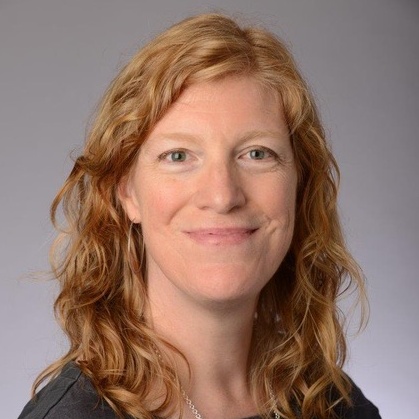
Jana Kotaska, Ph.D., of mixed European ancestry and currently living on Qu’wutsun lands in British Columbia, has, since 1998, devoted her career to supporting Indigenous governance of lands and waters, i.e., land back. She is the Executive Director of the Mother Tree Network (MTN), which is working to protect and restore the critical rainforests of the Pacific Northwest. Led by renowned forest ecologist Suzanne Simard, MTN brings together scientists, First Nations of coastal and interior British Columbia and a circle of collaborators from a range of non-profit and educational institutions.
Teo Grossman